
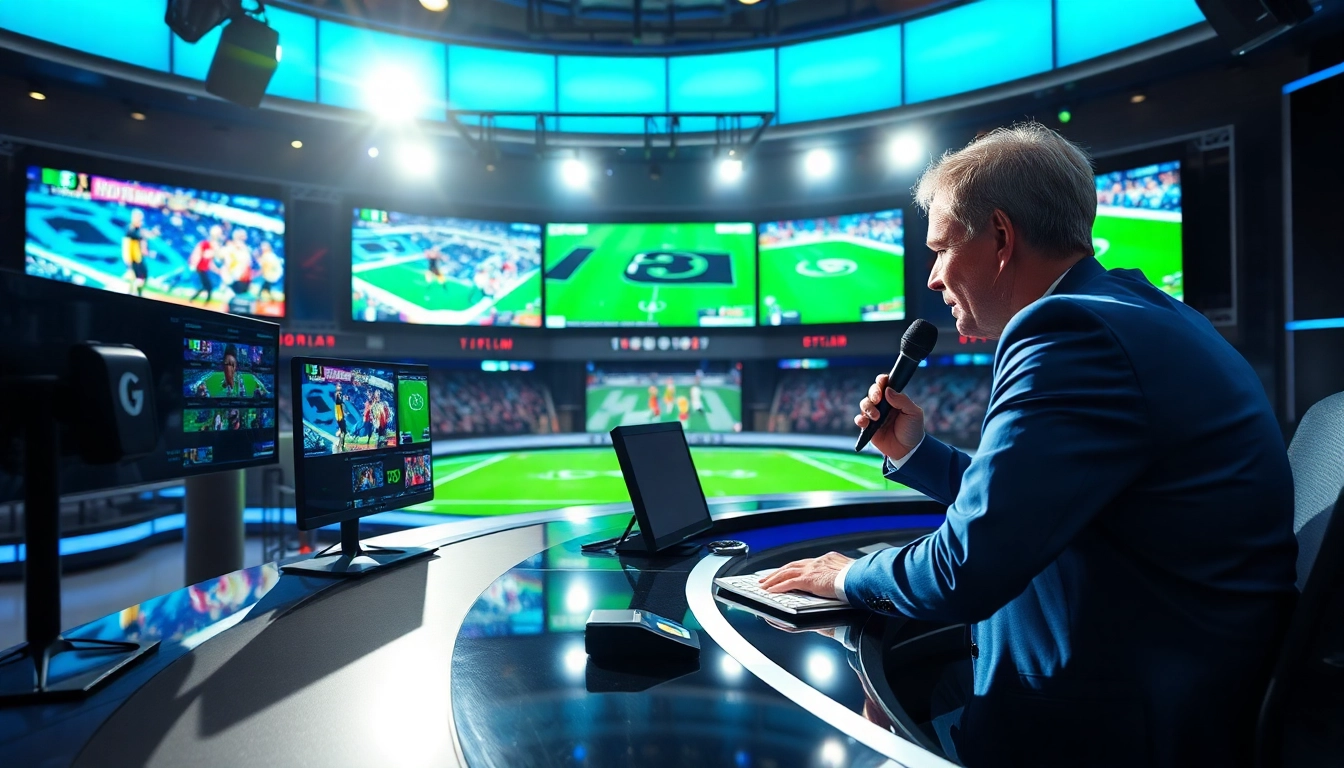
Understanding Sports Broadcasting
Definition of Sports Broadcasting
Sports broadcasting refers to the dissemination of sports-related content through various media channels such as television, radio, and digital platforms. This includes live coverage of games, commentary, analysis, and related programming designed to engage fans and enhance their viewing experience. The goal is to provide timely and exciting information to audiences, allowing them to connect with their favorite sports and teams. As the Sports Broadcasting industry continues to evolve, so does the way content is created and consumed.
History and Evolution
The roots of sports broadcasting can be traced back to the early 20th century, when radio broadcasts brought games into homes across the country. With the advent of television in the 1950s, sports broadcasting entered a new era, dramatically increasing audience size and altering how fans interacted with their favorite sports. As technology advanced, so did the methods of broadcasting—moving into the realm of online streaming and mobile access, particularly in the 21st century. Today, sports broadcasting has become a global phenomenon, serving billions of fans across diverse platforms, including social media, podcasts, and direct-to-consumer services.
Importance in Modern Sports
In today's sports landscape, broadcasting plays a pivotal role in promoting games, teams, and athletes. Broadcasters not only bring live events to viewers but also shape public perception and create narratives around sports. By providing insight, context, and analysis, sports broadcasting helps fans engage more deeply with their favorite activities, fostering a community of enthusiasts. Furthermore, it serves as a vital revenue stream through advertising, sponsorships, and subscription models, underpinning the financial health of many sports organizations.
Key Components of Successful Sports Broadcasting
Quality of Commentary
The quality of commentary is a cornerstone of sports broadcasting. Viewers rely on commentators to provide real-time insights, analysis, and emotional context during live events. Effective commentators must not only possess a deep understanding of the sports they cover but also the ability to convey excitement and provide valuable information. Good commentary can elevate a viewer's experience, making them feel more connected to the event. A key part of this is having a compelling narrative that enhances the live broadcast, ensuring that audiences remain engaged throughout the event.
Technical Aspects and Equipment
High-quality technical production is vital in delivering a seamless viewing experience. This includes camera work, sound engineering, and transmission technology that facilitates clear audio and visuals. Advances in broadcasting technology—such as Ultra HD, 4K imaging, virtual reality, and 360-degree camera systems—have significantly impacted how fans experience live events. Broadcasters must stay ahead of technology trends to remain competitive and meet audience expectations for superior quality and innovation in sports broadcasts.
Visual Presentation and Graphics
The visual elements of sports broadcasting include graphics that provide statistics, player profiles, and other relevant information. Graphics enhance the viewer's understanding of the game and provide essential context around critical moments. Effective use of design, animations, and overlays can dramatically improve viewer engagement. Broadcast teams must ensure that visual elements are not distracting but rather serve to enrich the content and keep the audience informed.
Audience Engagement Strategies in Sports Broadcasting
Interactive Features and Live Polls
With the rise of digital platforms, interactive features have become essential for engaging audiences. Live polls, quizzes, and fan interactions through chats can significantly enhance involvement. Viewers enjoy being able to express their opinions and see how they align with the general sentiment of other fans. Incorporating these elements into broadcasts helps form a more dynamic and engaging environment—something fans crave as they follow their favorite sports.
Utilizing Social Media
Social media serves as a powerful tool for sports broadcasters to enhance viewer experience. Real-time updates, highlights, and behind-the-scenes content can be shared instantly, allowing fans to stay connected. Platforms like Twitter, Instagram, and Facebook facilitate interaction between broadcasters and fans, fostering a community vibe. Engaging with fans through polls, questions, and user-generated content can create a continuous dialogue, enhancing overall engagement and excitement.
Engagement Through Storytelling
Storytelling is a potent ingredient in successful sports broadcasting. Crafting narratives around teams, players, and games gives viewers a reason to care beyond the competition itself. This could involve personal backstories, rivalries, or turning points in the season that resonate emotionally with the audience. By weaving together stories that capture the essence of the sport, broadcasters can elevate the overall experience and create long-lasting memories for the viewers.
Challenges in the Sports Broadcasting Industry
Dealing with Competition
The sports broadcasting landscape is highly competitive, with numerous networks and platforms vying for viewer attention. Specializing in niche sports, unique content, and innovative presentation styles can differentiate broadcasters. Additionally, partnerships and collaborations can enhance reach and provide a competitive edge. Staying attuned to trends and viewer preferences is essential for maintaining viewer loyalty and standing out in a crowded marketplace.
Budget Constraints
Budget constraints can severely impact the quality and reach of sports broadcasts. As audiences demand higher production values and richer content, managing costs becomes increasingly critical. Broadcasters must strategically allocate resources to ensure a high-quality viewer experience while remaining financially viable. This may involve seeking new revenue streams through sponsorships, advertising, and innovative content strategies to offset costs.
Adapting to New Technologies
The rapid pace of technological advancement poses both opportunities and challenges in sports broadcasting. Broadcasters must adapt to new technologies such as artificial intelligence, machine learning, and advanced streaming capabilities to enhance viewer experience. This requires ongoing training and development for teams, along with investment in cutting-edge technology. Failure to adapt could lead to obsolescence, as audiences increasingly gravitate towards platforms offering the latest innovations.
Future Trends in Sports Broadcasting
Impact of Streaming Platforms
The emergence of streaming platforms has revolutionized sports broadcasting by allowing viewers unprecedented control over how and when they consume content. This shift has led to a more personalized and flexible viewing experience. Streaming services offer the ability to watch games on various devices, directly influenced by user preferences. As traditional cable subscriptions decline, broadcasters must innovate by creating compelling offerings that draw viewers to their digital platforms.
Innovations in Viewer Experience
As technological advancements continue, the viewer experience in sports broadcasting is set to evolve significantly. Innovations such as augmented reality (AR), virtual reality (VR), and enhanced multi-camera angles offer fans immersive experiences that were previously unimaginable. These innovations allow spectators to feel as if they are part of the action, transforming the viewing experience. Broadcasters that embrace these new technologies will be better positioned to attract and retain audiences in the future.
Potential for Augmented Reality
Augmented reality holds enormous potential for enriching sports broadcasts by overlaying digital elements onto the real-world view. This technology can be integrated into broadcasts to provide real-time statistics, player info, and interactive experiences right within the visual field of the viewers. As AR technology matures, sports broadcasters can leverage it to create engaging and informative viewing experiences that captivate audiences and provide them with additional layers of information that enhance comprehension and enjoyment of the sport.
Frequently Asked Questions
What is sports broadcasting?
Sports broadcasting encompasses the transmission of sports events and related programming via various media, engaging fans through live coverage, commentary, and analysis.
What are the key components of successful sports broadcasting?
Successful sports broadcasting relies on quality commentary, advanced technical production, and effective visual presentation, enhancing the viewer's experience.
How do broadcasters engage with audiences?
Broadcasters utilize interactive features, social media, and storytelling to engage audiences, fostering a sense of community and enhancing viewer involvement during events.
What challenges do sports broadcasters face?
Challenges include intense competition, budget constraints, and the necessity to adapt to rapidly changing technology while maintaining high-quality broadcasts.
What future trends are shaping sports broadcasting?
Key trends include the rise of streaming platforms, innovations in viewer experience through AR and VR technologies, and personalized content tailored to audience preferences.